

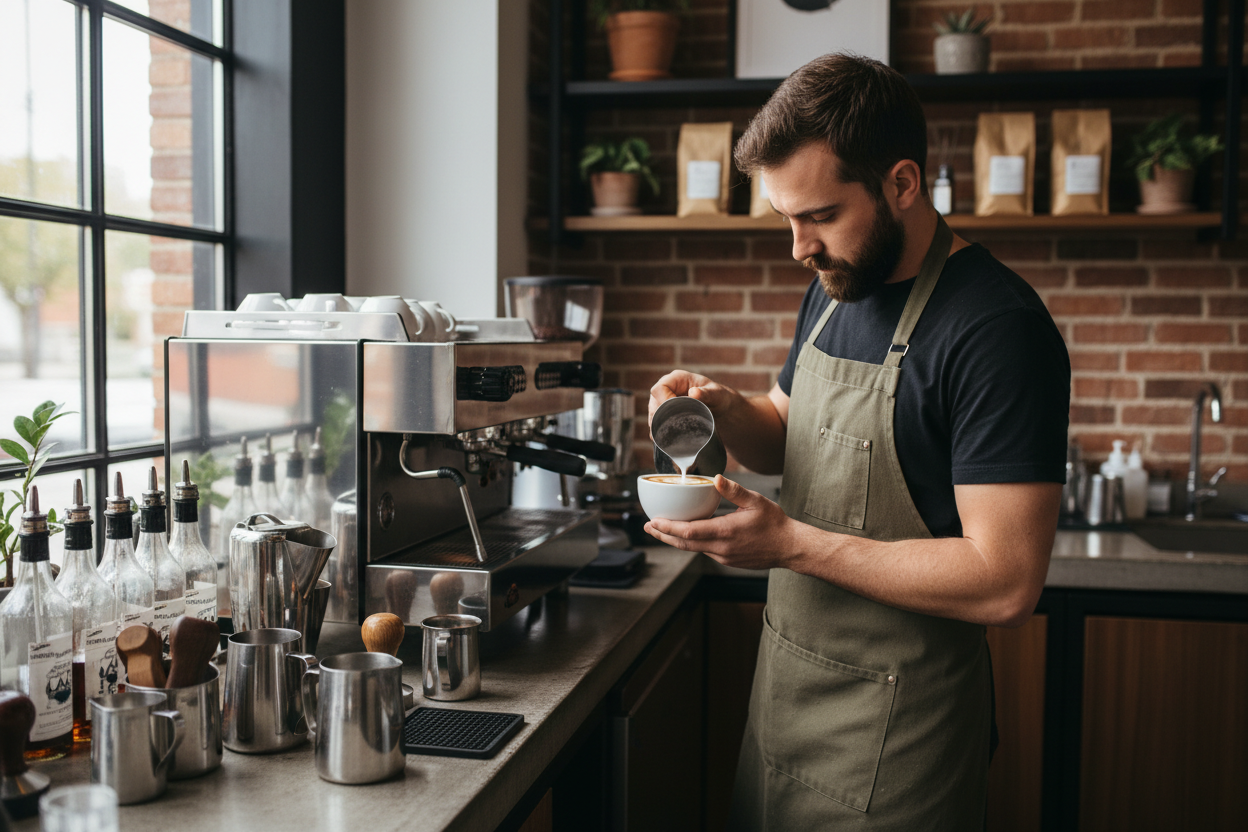
The Barista as Sommelier
Introduction: The Evolution of the Coffee Connoisseur
In 2026, the specialty coffee shop has been reimagined as a lifestyle space where design, culture, and community are as central as the beverage itself. We are witnessing a decisive shift where consumers are no longer satisfied with generic blends; they demand to know the exact altitude, varietal, and drying method of their beans. At First Light Roasters, we have embraced this movement by training our team to act as "coffee sommeliers" who guide guests through a multi-sensory journey.
Our motto, "Roasted for Clarity. Crafted at First Light," is the foundation of this sommelier approach. Just as a wine professional decodes terroir, our baristas decode the geological and chemical forces of the Great Rift Valley to explain why a specific Ethiopian lot tastes of jasmine while a Kenyan AA offers a sparkling phosphoric acidity. In this guide, we explore the science of sensory analysis, the rise of functional tasting, and how the barista of 2026 transforms a simple espresso into a complete fine-dining experience.
Taste Like a Sommelier
Unlock the 800+ flavor compounds found in our Rift Valley lots. View our single-origin offerings
I. The Science of Sensory Analysis: Beyond the Palate
Modern coffee tasting is a technical discipline rooted in chemical complexity. Roasted Arabica coffee contains over 800 distinct flavor compounds, making sensory evaluation the primary tool for separating a good cup from a truly great one.
1.1 Olfactory Domination: The Role of Volatile Compounds
The human nose is responsible for approximately 80% of what we perceive as flavor. When dry coffee grounds are first sniffed, we are detecting **volatile compounds** like aldehydes and esters. To master the 2026 tasting experience, baristas use the "Coffee Aroma Map" to identify primary aromas before assessing more specific second-order notes. This olfactory precision is essential when describing the explosive fruit profiles of our clean naturals.
1.2 Slurping and Aeration: The Physics of Flavor
The "slurp" is not just a habit: it is a functional brewing protocol. By slurping with a fast burst of air, the barista aerates the coffee, volatilizing aromas for **retronasal delivery** straight to the brain's olfactory bulb. This technique sprays the brew over the entire surface of the tongue, ensuring that every flavor-detecting taste bud: sweet, sour, salty, bitter, and umami: is activated simultaneously.
1.3 The Neurobiology of Taste Reception
Taste is a chemical sense perceived by specialized receptor cells located within taste buds. In the context of clarity focused roasting, we aim to stimulate the receptors for sweetness and acidity while minimizing those for intense bitterness. The sommelier barista understands that "perceived" sweetness is often a result of aromatic compounds tricking the brain into expecting sugar, even when the actual sugar content is low.
II. The 2026 Taste Spectrum: Clarity vs. Intensity
The modern consumer priorities have moved toward "Intentionally Sensory" experiences. In 2026, we categorize coffees into sensory "profiles" that help drinkers find their perfect ritual.
2.1 The "Clarity" Profile (Classic/Refined)
This profile seeks recognizability and technical perfection. It is defined by bright, lively acidity from organic acids like citric and malic, adding crispness without sour regret. Achieving this profile requires the technical roasting precision we demand to prevent roast-born flavors from overshadowing the bean's original mojo.
2.2 The "Curious" Profile (Experimental)
Gen Z and adventurous drinkers are increasingly drawn to "Swangy" (sweet/tangy) and "Swavory" (sweet/savory) combinations. These often result from experimental processing techniques like anaerobic fermentation or carbonic maceration, which create fermented funk notes like ube, pandan, or black sesame. These drinkers view coffee as an "explorer's beverage" rather than a morning utility.
2.3 Mouthfeel and Tactile Obsession
Texture is now considered just as important as flavor by nearly half of all consumers. Baristas evaluate **mouthfeel** as the physical viscosity of dissolved proteins and lipids. Terms like "velvety," "syrupy," and "silky" are used to describe how a coffee sits on the mind and in the mouth. Dense East African coffees are particularly prized for their "structured" mouthfeel, which results from the high concentration of soluble minerals absorbed from volcanic Andosol soils.
III. Functional Wellness: Coffee That Does More
Coffee is no longer just about the caffeine fix: it has become nourishment, not just stimulation. In 2026, the barista sommelier must understand how functional additions impact the sensory profile of the cup.
3.1 Adaptogens and "Smarter Caffeine"
Mushroom-infused blends using **Lion's Mane** and **Chaga** are mainstream favorites for drinkers seeking focus and clarity over raw energy. These adaptogens often introduce an earthy, "umami" foundation that requires a carefully matched roast profile to remain balanced. The sommelier barista must be able to explain the "jitter-free" benefits of these stacked beverages while maintaining the integrity of the base coffee flavor.
3.2 Benefit Stacking and Clean Labels
Consumers now look for "benefit stacking": cups fortified with collagen, vitamins, or protein matrix strategies that deliver physical fullness. As a coffee sommelier, the barista's role is to ensure these additives don't create chalkiness or off-notes that destroy the origin-specific terpenes of the Ethiopian genetic birthplace. Transparency in labeling is key: 2026 consumers prioritize "clean" additions with no artificial sweeteners.
3.3 The Decline of the "Caffeine Jitter"
The market is moving away from high-caffeine "burners" and toward steady-state energy. This has increased the popularity of half-caf and high-quality decaf lots. The sommelier barista treats decaf with the same reverence as single-origin AA lots, focusing on the sweetness of the Swiss Water or Ethyl Acetate processes to prove that clarity is not dependent on caffeine.
Roasted for the Connoisseur
Don't let additives hide the soul of the bean. View our single-origin offerings
IV. Gourmet Pairings: Coffee as Fine Dining
Gourmet pairings are repositioning coffee within the fine-dining world. By aligning roast profiles with food chemistry, baristas transform a standard espresso into a multi-sensory event.
4.1 Aligning Acidity and Sweetness
A high-acidity Kenya AA might be paired with artisanal dark chocolate to balance its citrus zing, while a naturally processed Guji is matched with savory creations to highlight its "swavory" potential. The goal is **alignment**: ensuring that mouthfeel, taste, and color correlate noticeably for the guest. The sommelier barista uses a "Pairing Matrix" to suggest additions that enhance rather than mask the inherent notes of the Rift Valley minerals.
4.2 The Role of Temperature in Tasting
A true sommelier knows that flavor is dynamic. We encourage guests to taste the same coffee as it cools from 75°C to below 50°C. As the temperature drops, certain flavors: particularly bright organic acids: become more prominent while others are toned down, revealing the coffee's true character and "clean finish". This "Temperature Arc" is a key part of the 2026 sommelier service, often facilitated by serving coffee in glassware specifically shaped to concentrate aromatics.
4.3 The Ritual of the Slow Brew
Speed is no longer the metric for success in the high-end cafe. The ritual of the "Slow Brew": siphon, Chemex, or manual lever espresso: provides the sommelier barista with the stage needed to explain the story of the bean. This theatrical element increases the perceived value of the coffee and builds the customer's trust in the First Light standard.
Conclusion: Curating a Cultural Moment
The barista as sommelier is a reflection of a deeper cultural movement toward health, transparency, and personalization. Coffee has evolved from a utility into a story of cultural resilience and craftsmanship. At First Light Roasters, we don't just serve drinks: we provide an education in the pursuit of clarity.
By mastering the science of the slurp, the chemistry of the bean, and the rituals of the modern cafe, we ensure that every guest experiences the undeniable superiority of Rift Valley coffee. This is exceptional specialty coffee, crafted at first light, for a refined and full-bodied experience consistently delivered on a global scale. Join us as we explore the 800+ compounds of the world's finest beans and rediscover what coffee can be.
Ready to experience the brightness?
Roasted for clarity, delivered fresh to your door. View our single-origin offerings
FAQ: The 2026 Tasting Experience
What does "Coffee Sommelier" actually mean?
It refers to a highly trained barista who guides customers through sensory experiences, using expert knowledge of origin, processing, and flavor chemistry to deepen their appreciation for the cup.
Why is slurping necessary for tasting?
Slurping aerates the coffee, oxygenating the brew to volatilize aromas for retronasal delivery to the brain while ensuring the coffee reaches all areas of the tongue for a complete taste assessment.
What are "Swangy" and "Swavory" flavors?
These are 2026 flavor trends describing complex profiles that mix sweet, spicy, tangy, and savory notes, often found in experimental or long-fermentation coffees.
Does temperature change how coffee tastes?
Yes: as coffee cools, its chemical structure shifts. Higher temperatures emphasize body and sweetness, while cooler temperatures (around 50°C) often reveal the true clarity of the organic acids and floral aromatics.
What is functional coffee?
Functional coffee is blended with additives like adaptogenic mushrooms (Lion's Mane), protein, or vitamins to provide health benefits like cognitive focus or immune support alongside caffeine.
How do I practice coffee tasting at home?
Start with a flavor wheel to identify broad categories like "fruity" or "nutty". Brew two different coffees side-by-side to notice differences in body and acidity, and pay close attention to the aftertaste: does it have a clean finish?.
What is the difference between body and acidity?
Body refers to the physical viscosity or weight of the coffee in your mouth (creamy vs. thin), while acidity is the lively, sparkling tang produced by organic acids like citric and malic.
Why is mouthfeel so important in 2026?
Texture is now a major quality indicator for specialty drinkers. A coffee with a "structured" or "silky" mouthfeel indicates high quality green sourcing and precision roasting that preserves soluble lipids.
What are "volatile compounds"?
These are the chemicals that turn into vapor at room temperature, providing the primary aroma of the coffee. Their preservation is the main goal of our "Roasted for Clarity" philosophy.


Leave a comment
This site is protected by hCaptcha and the hCaptcha Privacy Policy and Terms of Service apply.